
tricolourhospitals

Author name: tricolourhospitals

Uncategorized

Awake Bypass Surgery at Tricolour Hospitals

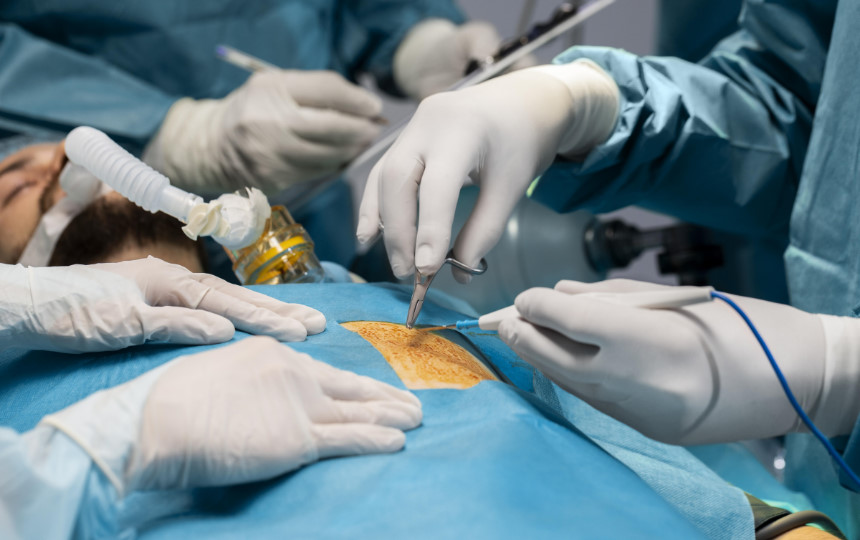
A provider of quality cardiac healthcare in the city of Vadodara and the state of Gujarat, Tricolour Hospitals has taken the lead when it comes to innovative bypass surgeries and has successfully conducted awake bypass surgeries. Such surgeries require a certain level of expertise and experience – the patient is not only conscious but can talk throughout the procedure. The individual will experience no pain but will be aware of their surroundings. This painless method is achieved by a special technique called epidural anesthesia. Recently, our Chief Cardiothoracic and Vascular Surgeon Dr. Devender Singh performed awake bypass surgery on a critical patient. This critical patient was Mr.B. 65 years old and already suffering from other chronic health conditions, Mr. B came to Tricolour Hospitals for suggestions regarding bypass operation. He had already visited and consulted with doctors across the state, and had even gone to tier-1 cities like Mumbai, but was told that an operation wasn’t a very good idea: The risk of death during the operation was too high. Soon he was admitted to Tricolour Hospitals and all routine and specialized tests were administered to assess his various body organ functions. A multi-disciplinary team of doctors consisting of cardiac surgeons, cardiologists, anesthesiologists, and pulmonologists examined him and reviewed his reports. He had a weak heart and had suffered a heart attack in the past. Because of chronic lung disease, his lungs were struggling to function. Weight was also a major concern: Mr. B was a frail gentleman weighing only 43 kilos. The team of doctors came to a consensus. Mr. B needed an early bypass surgery, but his chances of survival were barely 20-30% in view of the high risk of lung failure and infection. To beat that risk, the team decided to perform an awake bypass operation. During this procedure, the patient is awake and continues to breathe on his own. The anesthetist can communicate with him continuously. There is no pain as the doctor inserts a special injection in his spine to give him pain-free surgery. In Mr. B’s case, expert cardiac anesthetist Dr. Nitin Mahantshetty administered anesthesia. The operation is a challenge to the surgeon as well. Because the patient keeps on breathing, his heart keeps moving. But with 20 years of experience and having performed similar surgeries previously, Dr. Devender Singh was able to perform the operation smoothly. The surgery was a success and Mr. B was shifted to a cardiothoracic ICU after two hours and had a cup of tea. Mr. B was back with his family after seven days. Tricolour Hospitals’ first priority is to care for our patients. We are dedicated to providing comprehensive diagnostic, interventional, surgical, and preventive services for all patients regardless of age, complexity, or severity of their condition.


Uncategorized

Abdominal Pain: Frequently Asked Questions

The occasional abdominal pain usually disappears without having to visit a doctor. However, if the pain is persistent and recurring, it would be best to contact your doctor. If you’re experiencing any of the below alarming symptoms, visit your doctor immediately. Diagnosis If the pain is severe and unbearable, don’t waste time and rush to the hospital first. Even if the pain is at odd hours, like midnight or early morning, do not wait. Remember to carry your previous records which have details of your longstanding illnesses like diabetes, hypertension, heart disease etc. Carry all the medications which you regularly consume to the doctor. If you have started some supplements or herbal medications, don’t forget to mention them. Similarly, it is not in your best interest to hide any history of addictions or substance abuse. As you reach the emergency department, Our dedicated team of emergency physicians and nurses will attend to you. They will take your detailed history and examine you. From an emergency point of view your vitals are paramount like your pulse rate, blood pressure, temperature and oxygen saturation. Any fluctuation in these is indirect evidence of the severity of the underlying problem. On the basis of initial examination and vital parameters the emergency doctors will decide the level of care one needs. It may be day care consultation or admission in ICU. After reviewing the condition of the patient, the doctors have a fair idea of what they are dealing with and proceed to workup accordingly. A complete blood test, renal function tests, and liver function tests are all recommended. Then comes X ray abdomen or an ultrasound. After these basic investigations, diagnosis is certain in 95% of patients. In the remaining 5% some additional tests may be done like CT of abdomen or endoscopy. If any acute surgical cause is found out, then a decision of urgent surgery is taken by the surgeon. Preventing Abdominal Pain Any type of abdominal pain is uncomfortable, but there are some ways to prevent it. Here are some simple ways to avoid abdominal pain:

Uncategorized

Abdominal pain: When is the right time to visit the doctor?

The occasional abdominal pain usually disappears without having to visit a doctor. However, if the pain is persistent and recurring, it would be best to contact your doctor. If you’re experiencing any of the below alarming symptoms, visit your doctor immediately. Diagnosis If the pain is severe and unbearable, don’t waste time and rush to the hospital first. Even if the pain is at odd hours, like midnight or early morning, do not wait. Remember to carry your previous records which have details of your longstanding illnesses like diabetes, hypertension, heart disease etc. Carry all the medications which you regularly consume to the doctor. If you have started some supplements or herbal medications, don’t forget to mention them. Similarly, it is not in your best interest to hide any history of addictions or substance abuse. As you reach the emergency department, Our dedicated team of emergency physicians and nurses will attend to you. They will take your detailed history and examine you. From an emergency point of view your vitals are paramount like your pulse rate, blood pressure, temperature and oxygen saturation. Any fluctuation in these is indirect evidence of the severity of the underlying problem. On the basis of initial examination and vital parameters the emergency doctors will decide the level of care one needs. It may be day care consultation or admission in ICU. After reviewing the condition of the patient, the doctors have a fair idea of what they are dealing with and proceed to workup accordingly. A complete blood test, renal function tests, and liver function tests are all recommended. Then comes X ray abdomen or an ultrasound. After these basic investigations, diagnosis is certain in 95% of patients. In the remaining 5% some additional tests may be done like CT of abdomen or endoscopy. If any acute surgical cause is found out, then a decision of urgent surgery is taken by the surgeon. Preventing Abdominal Pain Any type of abdominal pain is uncomfortable, but there are some ways to prevent it. Here are some simple ways to avoid abdominal pain:

Uncategorized

MICS – Minimally Invasive Cardiac Surgery

Minimally Invasive Heart Surgery. Surgery Performed Through Minimally Invasive Approach (Previously Done Using Traditional Open Method ) Who Is The Candidate For Minimally Invasive Surgery? Traditional Heart Surgery Types Of Minimally Invasive Heart Surgeries Dr Devender Singh has been performing minimally invasive heart surgeries for a decade. The first surgeries of this type were mitral and aortic valve surgeries. Now, a wide range of procedures can be done using minimally invasive techniques for faster recoveries and are far more comfortable too for the patient. Sometimes, minimally invasive surgery includes a partial sternotomy. This involves cutting a part of the breast bone. When possible, the surgeon can avoid cutting the breast bone and, instead, make one or more small incisions through muscles between the ribs. This technique is called a mini thoracotomy. Incisions used in Minimally Invasive Heart Surgery Partial sternotomy-through part of breast bone Used for mitral valve, tricuspid valve, atrial septal defect (asd), myxoma, ascending aorta and aortic valve surgeries. A 3 to 4 inch long incision is made through the sternum, and the breast bone is separated in the area so that the surgeon can see the part of the heart that needs surgery. Mini Thoracotomy The surgeon avoids cutting through the breast bone and, instead, cuts into muscles between the ribs to reach the heart. Used for mitral valve, tricuspid valve, asd, myxoma surgeries. Used for aortic valve surgeries. Used for coronary artery bypass surgery. Minimally Invasive Cardiac Surgery Mitral Valve Replacement/Repair (Mics Mvr) Minimally Invasive Coronary Artery Bypass Surgery Benefits Of Minimally Invasive Surgical Techniques The Benefits Of Minimally Invasive Surgery Includes: Recovery After a successful minimal invasive surgery, you will probably be able to go home in 2 to 5 days after surgery. While you are in the hospital, a healthcare team will assist you and help you recover fully. When you are ready to leave the hospital, you will get instruction on your recovery and return to work, including guidelines for activity, driving, incision care and diet. In general, it takes about 2 to 3 weeks before you will feel well enough to return to work (if your job doesn’t involve physical activities), resume driving and take part in most non-strenuous activities. You can usually get entirely back to normal routine in 3 weeks after surgery. It’s important to understand that everyone’s pace of recovery is different. Healthy Living To keep your heart healthy after surgery, it is important to make certain lifestyle changes and take your medications as per prescribed. Important heart-healthy lifestyle changes for your quick recovery include:

Uncategorized

Abdominal Pain- A Symptom Which You Should Not Ignore

Abdominal pain is one of the most common symptom which compels the patient to visit the doctor. Abdomen is a complicated body cavity which houses important organs. The bulk of 6 feet long intestine resides in abdomen along with liver, gall bladder, pancreas, spleen, kidneys to name a few. The lower part of abdominal cavity called pelvis houses organs involved in reproduction like uterus, fallopian tubes and ovaries in females. Along with it there are multiple small lymphnodes which are integral part of immune system and mesentery and omentum which supports intraabdominal organs. So clearly abdomen is a Pandora’s box and myriad problems with these organs can cause abdominal pain. The cause can be as benign as renal stone and as serious as intraabdominal cancer. Let us have a look on common such causes. Acute Appendicitis – It is inflammation of appendix, a part of small intestine seen frequently in young adults. The pain of appendicitis first appears in mid abdomen and later moves to right lower part of abdomen. Along with pain patient has fever and vomiting. Not all acute appendicitis require surgery, many are managed conservatively with medications. Acute appendicitis developing in elderly should invite a suspicion of underlying malignancy. Gall Stones – Gall stones can cause pain mainly in upper central and right upper abdomen. This is seen overweight, middle aged females. A gall stone getting stuck in gall bladder will cause inflammation of gall bladder while if stone get stuck in bile duct then it can cause jaundice and fever. Such stuck stone needs to be removed endoscopically followed by removal of gall bladder with surgery. Intestinal Obstruction – This causes pain in central part of abdomen along with vomiting, abdominal distention, and cessation of flatus and stools. It can occur in children and in adults. The common causes in India are worms, adhesions, abdominal tuberculosis and cancer of intestine. Acute Diverticulitis – This problem is seen in elderly who are chronically constipated. The large intestine of such patient develops and outpouching which can get inflamed. This pain is located in lower abdomen and such patients are easily managed with short bowel rest and antibiotics. Acute Pancreatitis – It is swelling of pancreas and if not diagnosed early can have serious consequences. It is mostly seen in alcoholics but gall stones can also cause it. The pain is excruciating located in upper abdomen and radiates to the back. It can be managed very well if diagnosed early. However, it can be life threatening as it can lead to multi organ failure and in long term can produce a swelling is abdomen known as pseudocyst. Peptic Ulcer – Ulcer can occur in any part of intestine. Duodenal ulcer produce pain located in central part of abdomen which is relieved by meals. When ulcer perforates (Burst) the pain becomes severe and unbearable. Acute Mesenteric Ischemia – This is again a serious condition which if not treated promptly can lead to gangrene of intestine. This occurs due to blockage of blood supply of intestines. It produces pain all over the abdomen. Any abdominal cancer when it grows cause pain like colon cancer. Extra Abdominal Causes – Certain conditions not directly involving abdominal organs can also cause abdominal pain, sickle cell anemia crisis, acute adrenal insufficiency, hyper parathyroidism, porphyria, lead poisoning to name a few. So a meticulous and timely workup is required for diagnosis and management of abdominal pain. And abdominal pain even of small duration should be taken seriously.

Scroll to Top